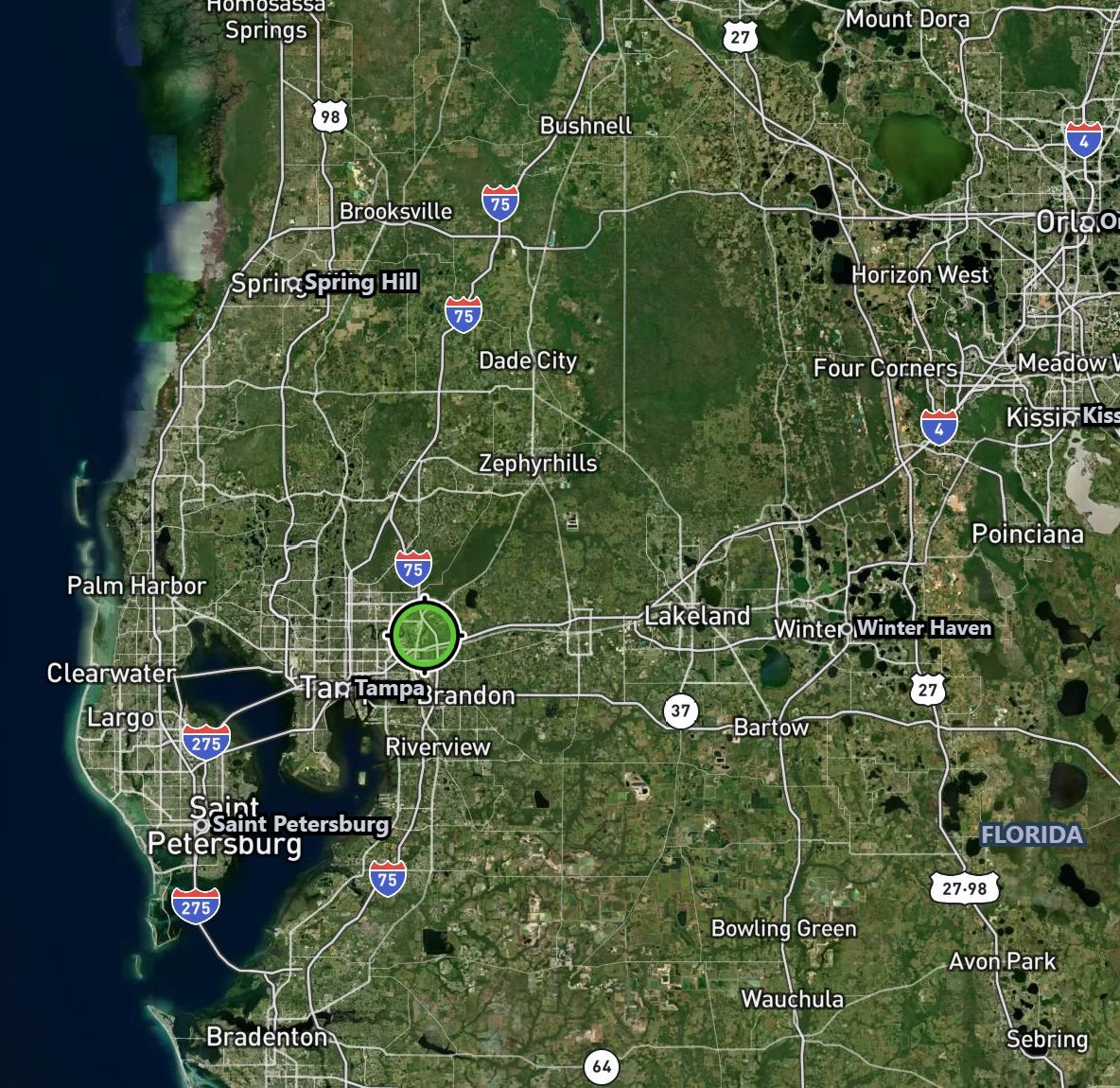
This commercial pilot scenario CP2 is Jason E. Jacobs’s Tampa court-trip flight-planning exercise. Review the complete scenario brief below and follow your examiner’s instructions when preparing your flight plan.
Keep the complete assignment above with your planning materials. Note its destination, passenger and baggage details, timing instructions, and any departure-airport or weather note. These details belong to this exercise and should not be replaced with assumptions from another scenario.
Use the related scenario library to return to the correct brief. If an instruction needs clarification, include the scenario name and the specific question in the form below. Jason’s assignment remains the source for the exercise; this preparation checklist does not add or change its conditions.
Ready for your checkride?
Review the scheduling requirements, endorsement, and IACRA information before requesting a date with Jason E. Jacobs.
Include “Commercial pilot scenario CP2: Lawyer court date” in your message so Jason knows which exercise you are reviewing. Sending a question does not reserve a checkride date.